
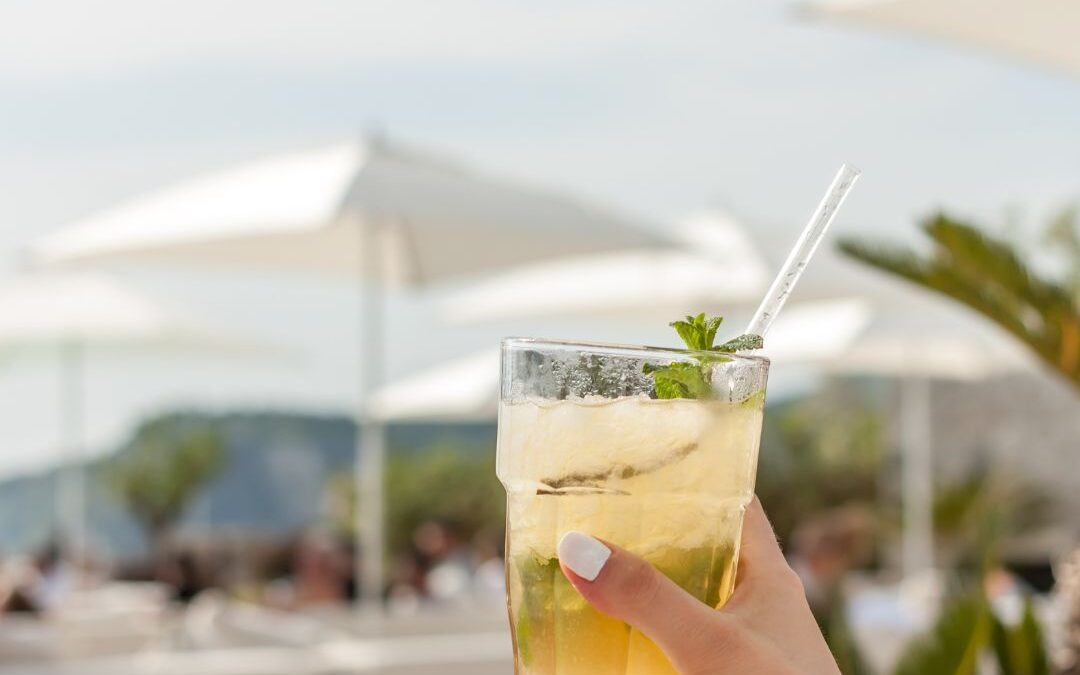
There are currently 225 Beach Clubs in Italy, but this figure is set to increase. A guide is already available on the market that maps out the best ones and assigns them a quality scale based on criteria such as service, design and catering, location e mood. The first edition of the guide is accompanied by a dedicated site and social profiles to have the best at your fingertips.
The offer certainly does not stop at the sea. Several luxury structures located on the most beautiful Italian lakes have adopted the Beach Club as a service for internal customers and as a booster to attract external customers. Finally, it is also a winning bet for those who wish to develop an entrepreneurial formula unrelated to the 'classic' accommodation structure.
Le best practice for inspiration are not lacking: Alpemare, in Forte dei Marmi, managed by the Bocelli family and winner of the Tourism Oscar 2024. Then there are Rama Beach (Baia Domizia), Ke'e Beach, (Magazzeno), near the new Salerno-Amalfi Coast airport. In the north Windsor Beach (Laigueglia), Beach Hotel Excelsior (Venice) and Vip Area 10 D (Lignano Sabbiadoro). For the centre Cala Maretto (Civitanova Marche) and for the islands Nuova Spiaggia Paradiso (Letojanni).
Different places, landscapes and styles, but with a common denominator: quality of service and guaranteed experience luxury in the round.
From bathing establishment to luxury experience
The process that led Italian beach clubs to evolve - from simple bathing establishments to entertainment and luxury centres - has two essential motivations:
- the changing needs of consumers
- an increasing focus on experiential tourism and service quality.
Let us examine together the main stages of this development and the opportunities it offers for the business development.
Originally, Italian beach clubs were simple facilities, focused mainly on offering basic services (rental of sunshades and sunbeds), and the availability of snack bars. They were mainly frequented by families, local or from neighbouring regions, seeking refuge from the summer heat. With the increase in tourism and its expansion into an international dimension, demand shifted towards the search for luxury experiences. Bathing establishments thus began to reinvent themselves.
The renewal of services and the expansion of the offer have been an important part of this process. Over the past two decades, gourmet restaurants, trendy bars, spas and wellness areas, swimming pools and sports activities (such as paddleboarding and kitesurfing) have been added to the basic offer. These services attract a more demanding clientele and - by virtue of favourable climatic conditions - allow clubs to extend their operating season. All to the general benefit. Seasonal adjustment, in fact, relieves anthropic pressure, better distributing presences.
Beach club, the experience at the centre
However, it is on the customer experience that modern beach clubs have focused most. Attention to the design of spaces, the organisation of exclusive events (such as music evenings, theme dinners and yoga on the beach), together with impeccable service, are key elements in differentiating themselves and attracting a high-end audience. This paradigm shift has led to a significant increase in the perceived value of Beach Clubs, also justifying an increase in prices.
Another key factor in the evolution of beach clubs is that of the sustainability. Many are the clubs that adopt environmentally friendly practices such as the use of recycled materials, sustainable waste management and the installation of solar panels. This is in response to a growing demand for more sustainable options, but also to enhance the reputation of operators.
Beach clubs, a new business development paradigm
In terms of business development, the evolution of beach clubs offers numerous opportunities. Investors and T&T operators benefit from a growing market with customers willing to spend more for quality services and unique experiences. Partnerships with luxury brands (such as Dior and Dolce & Gabbana), integrated tour packages and exclusive events are just some of the strategies that can be adopted to capitalise on this trend.
Finally, digitisation offers powerful tools to improve the customer experience and optimise operations. Apps for online booking, customised services - realised and promoted through a digital marketing well-structured - can significantly increase the visibility and efficiency of the Beach Club, transforming it into a "place to be'.
In conclusion, the evolution of Beach Clubs in Italy is a phenomenon that reflects changes in consumer preferences and the global tourism market. With careful and innovative management, these spaces can become places of leisure, but also significant economic drivers for local communities and the entire tourism sector.


 English (UK)
  Italiano