
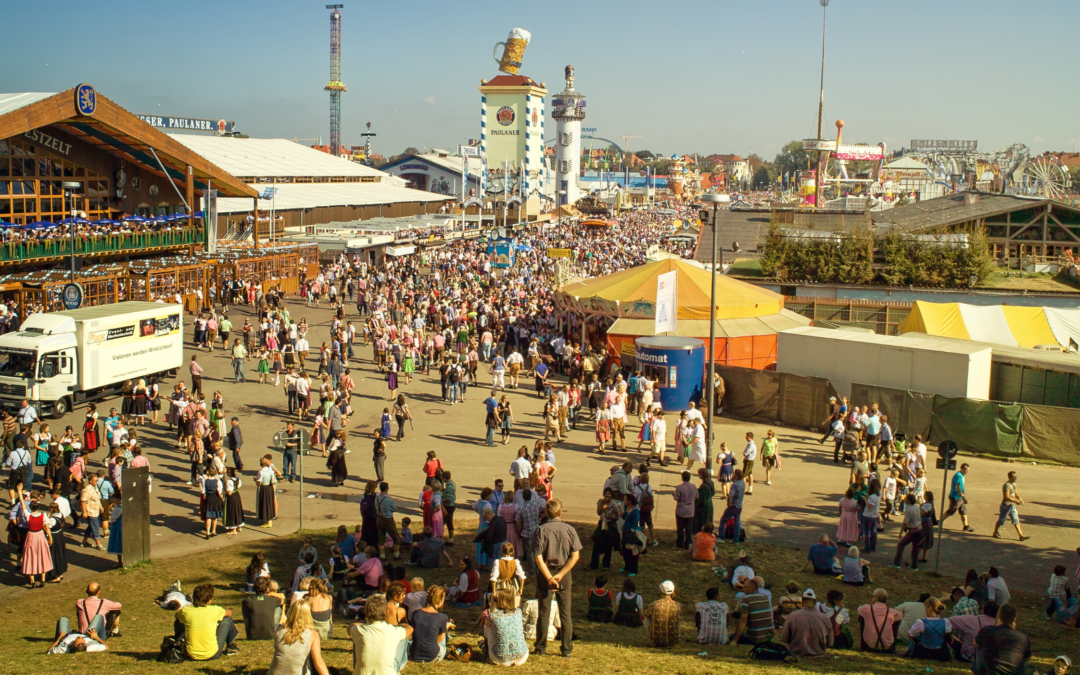
When a well-known tourist resort hosts a major event, the balance of the area and its services is inevitably put to the test.
Whether it is an international festival, a sports competition, a cultural event or the funeral of a pontiff, the repercussions involve residents, tour operators and local administrations.
For this reason, a careful and planned managementa is essential to preserve the value of the area and ensure a positive experience for both visitors and the host community.
The big event and the importance of advance planning
The first step in managing the impact of a major event on a tourist destination is advance planning. Define a management strategy shared between public authorities, tourism operators and territorial stakeholders makes it possible to anticipate criticalities and reduce risks.
It is important, for example, to assess the increase in the flow of tourists and to adequately plan logistical resources. Roads, public transport and reception services must be enhanced to ensure efficiency and safety. In addition, it is advisable to prepare information campaigns aimed at both tourists and residents to communicate the operational changes and opportunities offered by the event.
Mitigating pressure on environment and infrastructure
A major event can exert a significant pressure on the environment natural and on local infrastructure. It is therefore necessary to adopt measures for sustainability and containment of environmental impacts.
Among the most effective strategies are the promotion of soft mobility, improved sanitation and controlled waste management. Encouraging the use of public transport or dedicated shuttles reduces traffic and pollution. In parallel, it is useful to set up temporary waste collection areas to facilitate the proper disposal of waste produced by visitors.
Coordinating tourism supply and managing demand
During a major event, the management of the tourist offer is crucial to avoid overcrowding and maintain a high quality of services. The creation of alternative itineraries and activities distributed throughout the territory can relieve the pressure on the most frequented areas.
In addition, accommodation facilities should be involved in a coordinated information network to standardise booking policies and services. A centralised and up-to-date booking system helps to monitor availability and prevent inefficiencies.
Enhancing the economic and social spin-offs of the major event
If well managed, a major event represents an opportunity for growth for the entire territory. It is important to work to ensure that the economic benefits involve small local businesses, handicrafts and catering, as well as large tourism operators.
Moreover, the active participation of the local community strengthens the sense of belonging and improves the social climate. Organising parallel activities that involve the population (e.g. support for volunteers involved in welcoming tourists and/or pilgrims) makes it possible to enhance human as well as cultural heritage and avoid perceptions of exclusion.
Managing the impact of a major event on a well-known tourist destination requires a multidisciplinary and participatory strategy. Preventive planning, environmental protection, coordination of services and enhancement of the local economic fabric are the key elements to transform a potential criticality into an opportunity for sustainable growth.


 English (UK)
  Italiano