
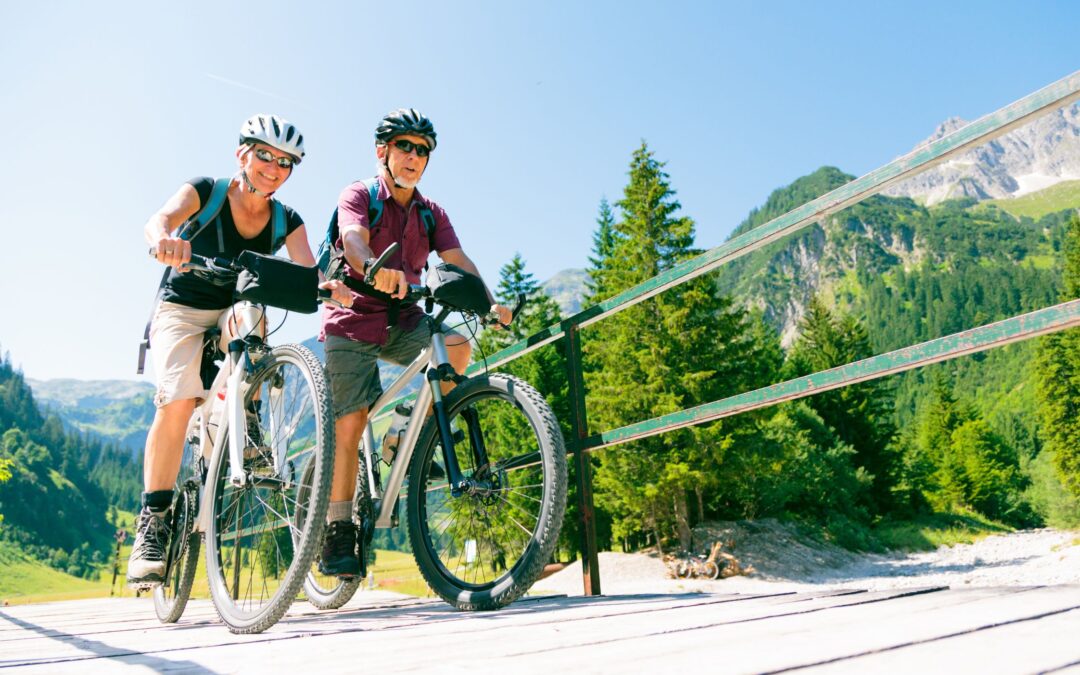
Senior tourism: this has been the trend in recent years, in which the sector has seen a steady growth in the over-65 segment of travellers. According to data from the World Tourism Organisation (UNWTO), by 2050 about 22% of the world population will be over 60 years old. This trend is directly reflected in the tourism sector, which today is called upon to rethink their reception models.
Increased economic and leisure time availability, combined with increased life expectancy, makes seniors one of the most active tourist categories. However, the management of an older tourist population presents specific critical issues, which require structured interventions and targeted strategies to ensure a safe and inclusive experience.
Criticalities and risks in senior tourism
The increase of senior tourists poses numerous challenges to destinations, accommodation facilities and tourist services. The first critical issue concerns health. Seniors have specific health needs and an increased vulnerability to extreme weather conditions, long walks or unforeseen travel disruptions.
Secondly, transport and accessibility are a crucial aspect. Many tourist destinations still lack facilitated routes, accessible public transport or adequate services for people with reduced mobility.
The organisation of itineraries also requires more attention. Tourists over 65 prefer more relaxed activities, moderate cultural visits and flexible programmes. Tourist management that ignores these preferences risks compromising the travel experience and, in extreme cases, generating risky situations.
Finally, there is the issue of security. Domestic accidents, theft or scams against senior travellers are on the rise in some destinations. Preventive and informative measures dedicated to this category are therefore indispensable.
Senior tourism: solutions and strategies to better welcome travellers
To effectively address these challenges, tourism destinations need to adopt long-term strategies. First of all, improving theaccessibility of public spaces and places of interest. Ramps, lifts, safe routes and inclusive means of transport become indispensable.
Another solution is to strengthen tourist health services. Agreements with local medical facilities, specialised personnel and efficient emergency systems are essential. The aim is to ensure rapid and personalised interventions in case of need.
Customising the tourism offer also plays a decisive role. Creating specific travel packages for seniors, with activities tailored to the pace and interests of this age group, improves the quality of the experience and increases loyalty.
Finally, it is advisable to promote the training of operators in the sector. Skills in accessible reception, effective communication and handling emergency situations for elderly customers represent an added value for tourist facilities today.
More inclusive tourism is more sustainable tourism
Managing an ageing tourist population is not just an organisational issue. It is a cultural and economic challenge that can generate value for the whole industry. Destinations that are attentive to the needs of senior travellers are more inclusive, competitive and resilient in the face of global demographic changes.
Investing in accessibility, safety and dedicated services means not only improving the experience of tourists over 65, but building a model of sustainable and responsible tourism, suitable for all ages.


 English (UK)
  Italiano